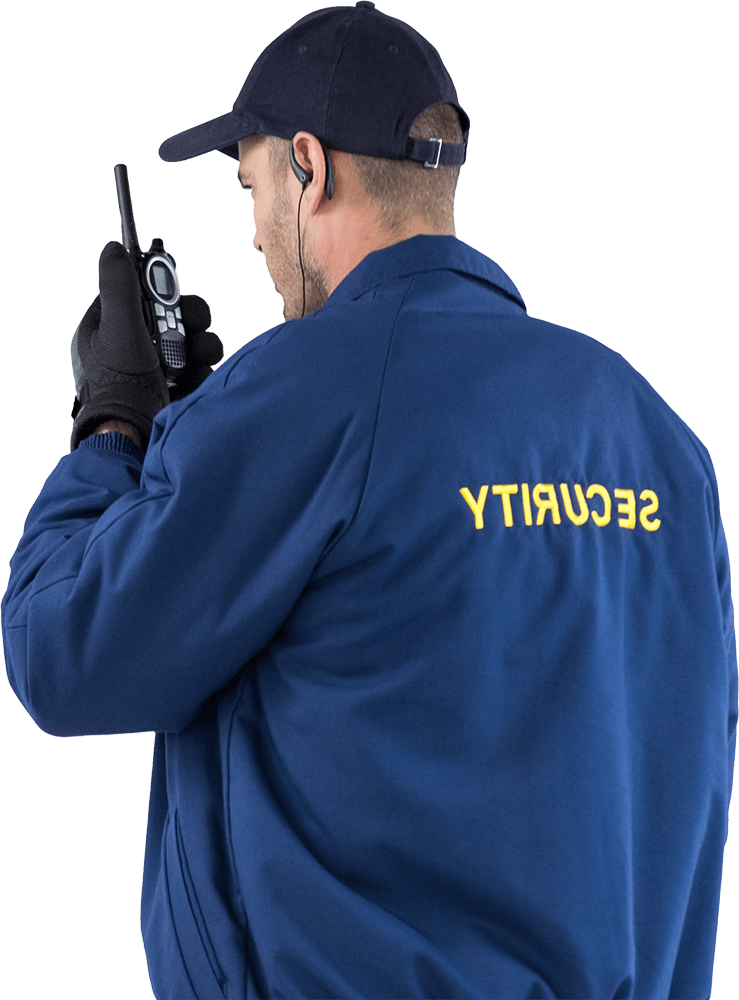
Hiring a security officer is about more than finding someone with the right license or shift availability. You’re trusting this person to protect property, ensure safety, and often represent your client’s brand. That means character counts, especially integrity.
Unfortunately, it’s not always easy to spot dishonesty or poor judgment in a quick interview. But with the right questions (and a clear plan for how to evaluate answers), you can start to identify candidates who are honest, accountable, and dependable.
In this post, we’ll show you how to ask the kinds of questions that reveal a guard’s true character, before they’re on the job.
Table of Contents
Why Integrity is Non-Negotiable in Security
Your officers are often unsupervised. They have access to restricted areas, are responsible for incident reporting, and must follow client protocols precisely, even when no one’s watching.
A security officer without integrity can:
- Falsify reports
- Ignore post orders
- Leave their post early
- Fail to report issues honestly
- Damage your relationship with the client
On the flip side, officers with strong values build trust with clients, de-escalate tense situations properly, and are more likely to follow procedures even under pressure.
What to Look for in Candidate Responses
When asking behavioral or situational questions, listen for responses that show:
- Accountability: Do they own their actions, even in mistakes?
- Discretion: Can they describe handling sensitive information or situations appropriately?
- Judgment: Do they know when to escalate, report, or follow protocol?
- Honesty: Are they open about past errors, and what they learned?
Tip: Don’t just listen to what they say, listen for how they say it. Hesitation, blaming others, or vague answers can be telling.

5 Interview Questions That Reveal Character
Here are five strong questions to include in your next interview, plus what to look for in the answers.
1. “Tell me about a time you made a mistake on the job. What happened, and how did you handle it?”
- What it reveals: Accountability and honesty
- What to listen for: Do they admit to the mistake? Did they correct it or report it? Did they take steps to prevent it from happening again?
2. “What would you do if you saw a fellow officer violating company policy?”
- What it reveals: Loyalty vs. integrity, willingness to report wrongdoing
- What to listen for: Do they prioritize client safety and compliance over friendships? Are they comfortable addressing the issue directly or reporting it?
3. “Describe a situation where you had to use discretion on the job.”
- What it reveals: Judgment and professionalism
- What to listen for: Can they identify sensitive situations (e.g., client conflict, internal theft)? Did they handle it quietly, respectfully, and by the book?
4. “Have you ever been in a situation where someone asked you to do something against company policy? What did you do?”
- What it reveals: Integrity under pressure
- What to listen for: Did they hold the line? Did they report it? Do they understand why rules matter even when others bend them?
5. “What does integrity mean to you in a security role?”
- What it reveals: Their understanding of the role’s responsibility
- What to listen for: Answers like “doing the right thing even when no one’s watching” or “reporting exactly what happened, not what I think they want to hear” are good signs.
Red Flags to Watch Out For
During these conversations, keep an eye out for:
- Blame shifting: “It wasn’t my fault…” or “My supervisor didn’t tell me…”
- Vagueness: Unable to provide specific examples
- Minimizing: Downplaying serious issues
- Avoiding: Dodging direct questions or offering rehearsed answers
If a candidate can’t give clear, thoughtful responses, it’s worth digging deeper, or moving on.
How OfficerHR Helps You Interview Smarter
Hiring with integrity starts with structure. That’s where OfficerHR makes all the difference.
The Interview Management module in OfficerHR helps you:
- Choose from pre-screened interview questions focused on integrity, responsibility, and job fit
- Score and take notes in real time, so you can objectively compare candidates later
- Stay compliant by avoiding risky or inconsistent questions
- Hire more confidently with a clear process that prioritizes character and culture fit, not just resumes
Want to streamline your hiring process and build a more reliable team? Book a free demo of OfficerHR or Start a Trial Now
❓ FAQs About Interviewing for Integrity
Can I teach integrity on the job?
Not easily. Integrity is a personal value—training can reinforce it, but it’s best to hire for it in the first place.
What’s more important, experience or character?
Experience helps, but character is critical. You can train skills, but not honesty. A less experienced but highly accountable officer is often the better long-term hire.
How can I keep interviews consistent across candidates?
Use structured interviews with the same set of questions for each candidate. OfficerHR makes this easy with built-in templates and scoring tools.
Can I use these questions for other roles too?
Absolutely. These types of integrity-based questions work for supervisors, dispatchers, and any role where responsibility matters.